My Work
Onboarding
Problem Statement: Users struggle to get started with a new technology tool. Without clear guidance, they often reach out directly to the product owner for support, creating confusion, delays, and inefficiencies in adoption.
How Might We: How might we provide users with simple, accessible guidance that empowers them to confidently begin using the new technology tool without relying on the product owner for basic support?
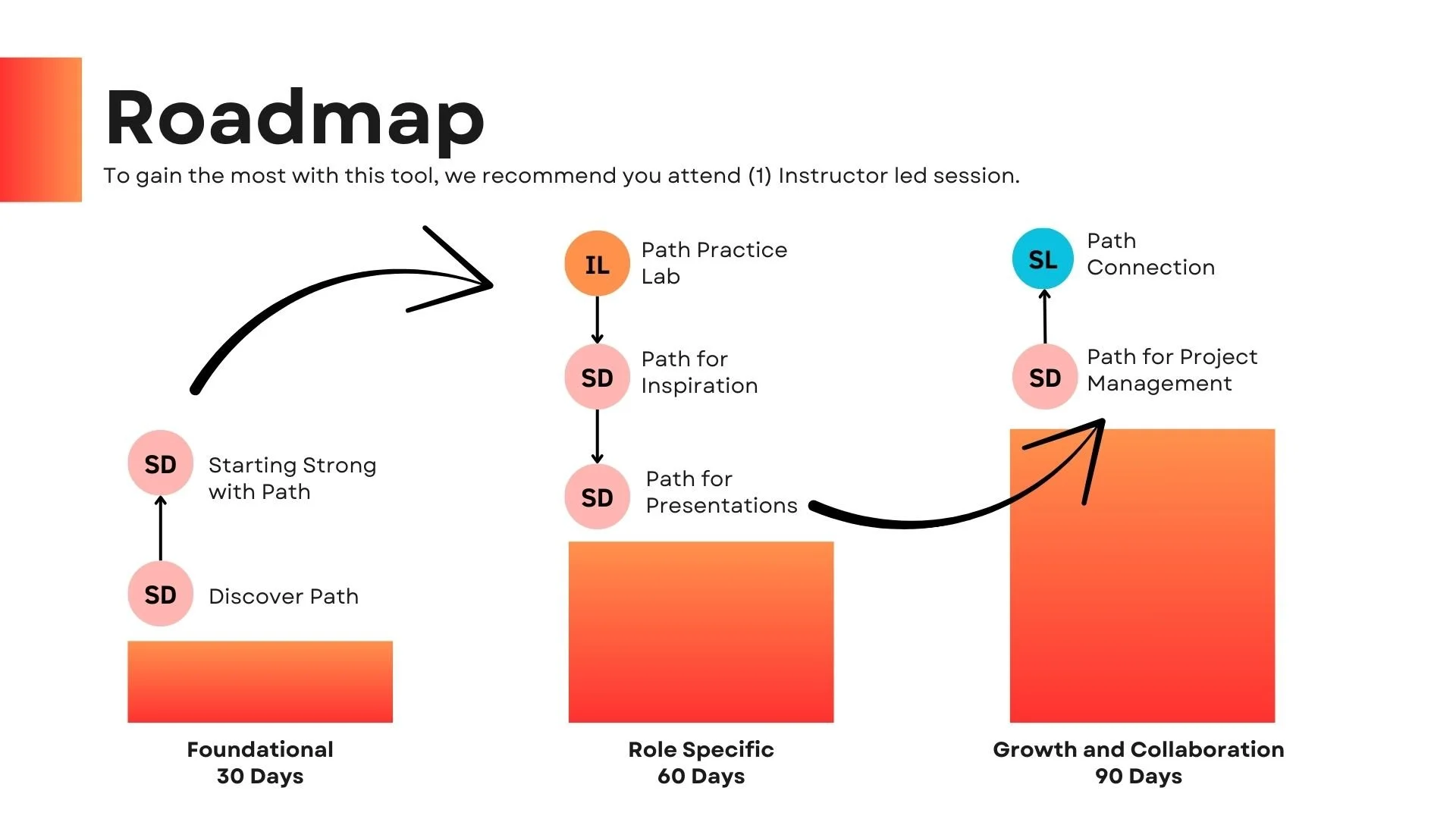
Solution: Create a full learning program with various learning methods to meet users where they are. This program will be outlined in an onboarding document that is clear and easily accessible to new users. This will introduce internal and external users to a digital sales tool, guiding them through their learning journey and options. This document will highlight key milestones and provide access to resources that support a user’s success as they grow in their role.
Audience: Sales and Design
Metric: Increase adoption of new users by 30% over first fiscal year. Adoption is measured by new project creations and time spent in tool.
Tools Used: Canva
Microlearning
Problem Statement: Sellers are arriving at learning events without foundational soft skills in sales. This gap limits their ability to fully engage in activities and practice scenarios. At the same time, requiring extensive prework creates a risk of disengagement and reduced participation.
How Might We: How might we equip sellers with essential soft skill sales knowledge in a way that prepares them for active participation in learning events, while minimizing the time and effort required for prework?
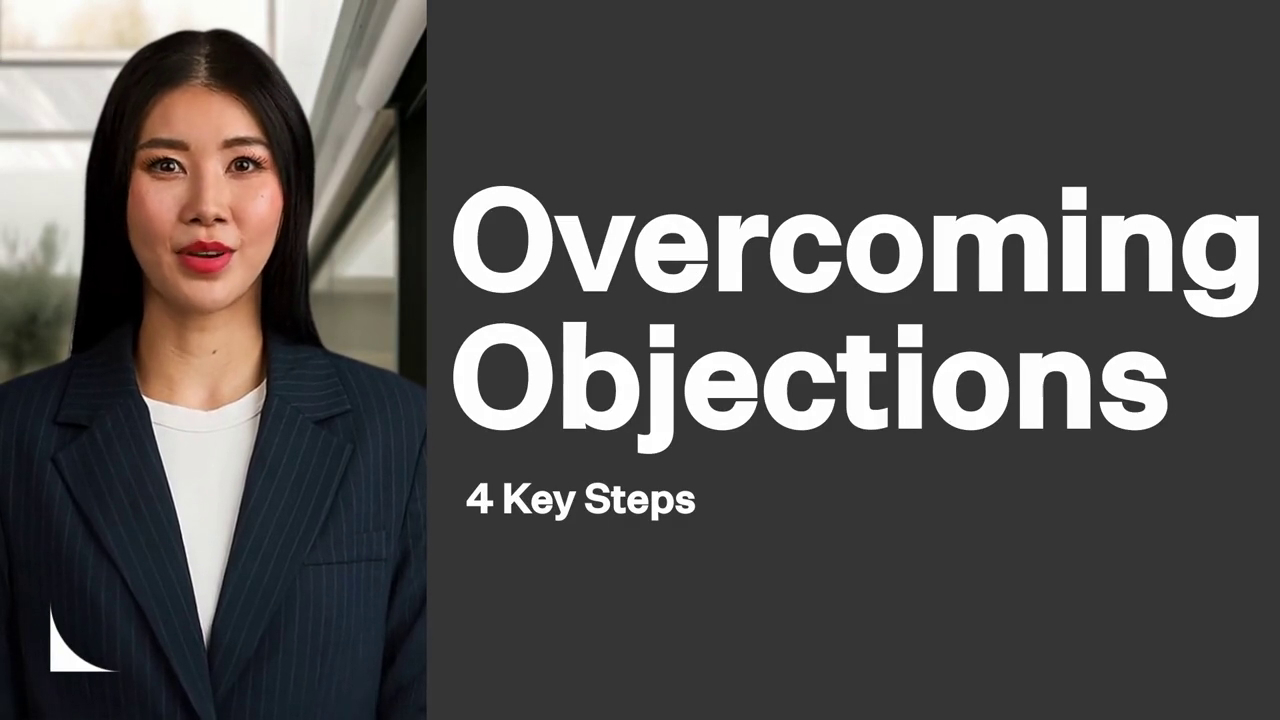
Solution: Use a short (3–5 minute) AI-powered microlearning video to introduce or refresh a specific soft skill framework. The video will include a brief example and an optional practice activity with a job aid, giving learners a quick reference they can immediately apply on the job.
Audience: Sales Professionals
Metric: 90% of learners complete the video with a 75% click rate on activity.
Tools Used: Synthesia, Canva
Design Thinking
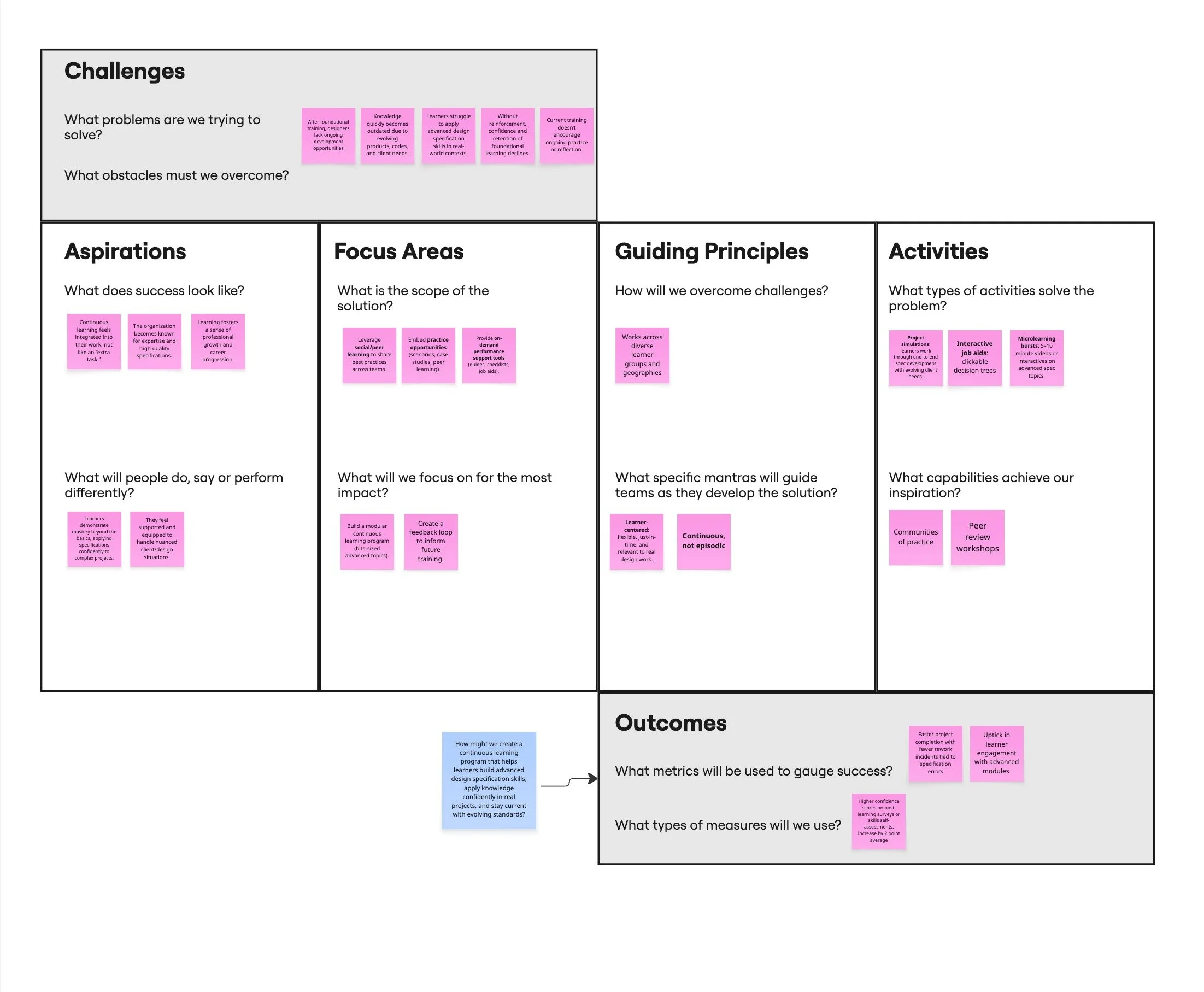
Problem Statement: Learners currently complete foundational design specification training, but lack a structured, continuous learning program to build advanced skills, apply knowledge in real-world projects, and maintain proficiency over time.
How Might We: How might we create a continuous learning program that helps learners build advanced design specification skills, apply knowledge confidently in real projects, and stay current with evolving standards?
Solution: Develop a structured, modular, and ongoing learning certification program that builds on foundational training, provides advanced skill development, encourages practice in real-world scenarios, and supports learners with resources and feedback over time.
Audience: Design Professionals
Metric: Increase in consistent output, reduced specification errors and lower employee turnover. Final metrics TBD by individual dealers.
Tools Used: Miro